
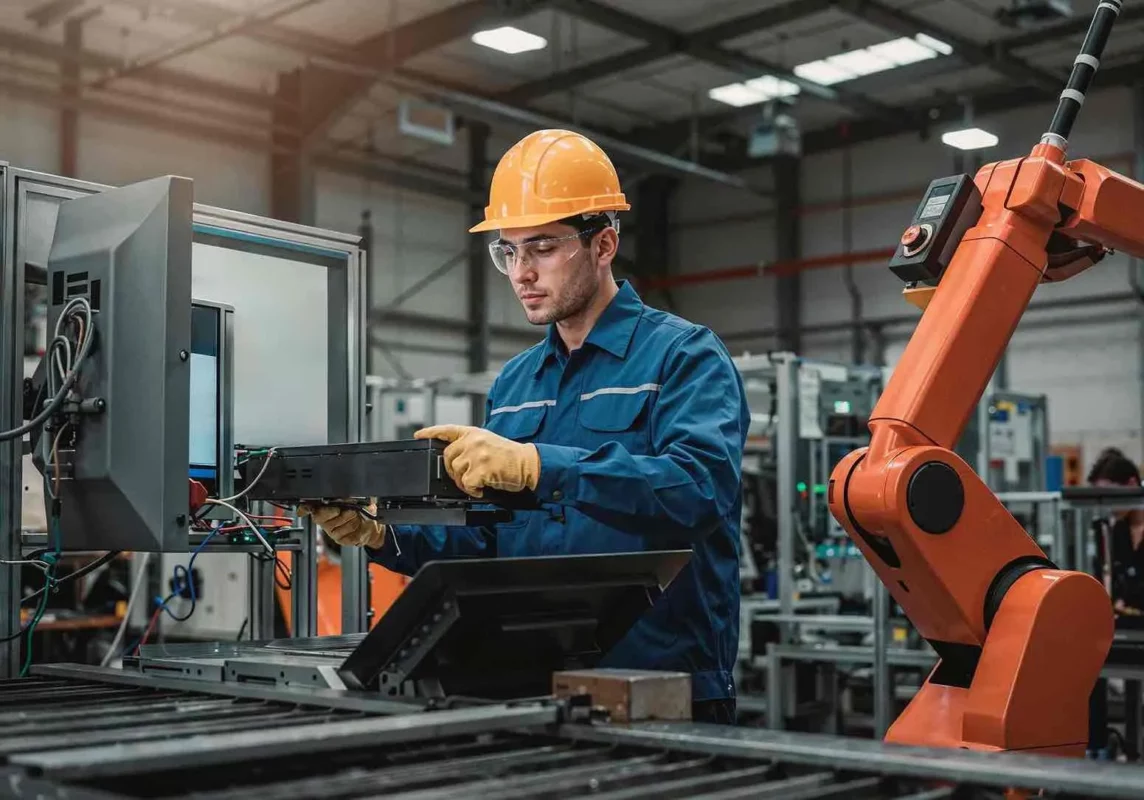
Technical support is often overlooked. But if you’re buying automation equipment, it’s one of the most important things to get right. Whether you’re a university working on a research project or a company scaling production, poor support can slow everything down. Delays, downtime, and miscommunication can push your project off track and over budget. One university found this out the hard way when setting up a 3D printing system for research with NASA. They expected a plug and play solution. Instead, they ran into a maze of suppliers, unclear responsibilities, and long wait times. In this article, you’ll learn how to avoid that.
Understand What Kind of Support You Actually Need:
Start with the Basics:
Before you choose a supplier, take a step back and look at what kind of support you really need. Start by asking yourself the basics. Will you need help during installation? What happens if the robot stops working halfway through a semester or a production run? Do you expect quick fixes or just occasional check-ins?
Match Support to Your Environment:
Your support needs depend on your setting. In a university, a short delay might not be a big deal. But if you’re running a production line, every hour of downtime can cost thousands. Think about who will be using the equipment. Will they need training? Will they know how to troubleshoot?
Look Beyond the Sales Pitch:
Also consider time zones, working hours, and how responsive the supplier really is. Some say they offer remote support but only answer emails twice a week. You don’t want to find that out when your machine is already down.
Local vs. Remote Support: Location Still Matter:
Distance Affects Response Time:
If your supplier is based in another country, technical support gets more complicated. Time zones, shipping delays, and communication gaps can slow everything down. You might not get answers when you need them most. That’s fine if your project can handle delays, but not if downtime means lost production.
Know What’s Included:
Before you agree to anything, ask what’s covered. Will the supplier send someone for installation? Who pays for travel, hotels, and meals? Some quotes include these costs. Others don’t. Always check.
What Can Be Done Remotely:
Ask what support can realistically be handled from a distance. Software updates, training, and troubleshooting often work well remotely. But mechanical issues usually require someone on-site. In one case, a university had to fly in technicians for installation. That added thousands to the cost. If on-site visits are likely, build that into your timeline and budget from the start.
Don’t Rely on Remote Support Alone:
Remote Support Helps, But Has Limits:
Many suppliers will tell you that everything can be solved remotely. In some cases, that’s true. But you shouldn’t rely on it entirely. If a motor fails or a sensor misfires, no amount of video calls will fix it. Some problems need hands-on attention.
Ask About Their Tools:
Find out exactly how remote support works. Do they use remote desktop software? Can they guide you through issues with live video? Do they provide clear manuals or documentation you can follow on your own? The more tools they offer, the better.
Check Availability and Response Time:
Remote support only works if someone’s actually there to help. Ask when support is available and how long responses usually take. If your supplier is in a different time zone and only replies once a day, even small issues can drag on. Get this clear before your machine ever ships.
Ask About On-Site Support: Will They Show Up When You Need Them?
A Working Machine Isn’t Always a Ready Machine:
Getting the machine delivered is only part of the job. Just because it powers on doesn’t mean it fits your process right away. You might still need help fine-tuning the setup, adjusting the programming, or solving unexpected issues on site.
On-Site Support Can Be Expensive:
One organization paid over $5,000 just to fly in technicians for installation and training. That cost wasn’t included in the original quote. It came as a surprise. Always ask what support is included and what will cost extra. Travel, hotels, meals, and time on site can add up fast.
Ask the Right Questions:
Will someone be available to come on site if needed? Who pays for it? How quickly can they travel? Do they work with local partners who can help faster? Get clear answers early in the process so you’re not left waiting when you need urgent support.
Clarify Warranty Terms Before You Break Something:
Don’t Assume the Warranty Covers Everything:
Warranties sound simple, but they rarely are. Especially if you’re planning to experiment with different materials or modify the setup. One university learned this the hard way when testing new 3D printing materials. They didn’t realize that using the wrong mix could void the warranty entirely.
Ask What Voids the Warranty:
Always ask what’s allowed and what isn’t. Can you use alternative materials? Can you replace parts yourself? Some suppliers allow testing within reason. Others don’t. If you’re planning to push the limits, make sure that won’t cancel your coverage.
Check When the Warranty Starts:
Some suppliers start the warranty the day you sign the contract. Others only start it after delivery and installation. That makes a big difference. Also ask if the same terms apply to refurbished components. In many cases, they do, but don’t assume. Get it confirmed in writing before you move forward.
If you want to learn more about Industrial Automation Warranty, check out this article:
Beware of Support Gaps With Complex Supply Chains:
One System, Many Suppliers:
Automation solutions often come from multiple sources. The robot arm might come from one supplier, the pump from another, and the full setup from a separate integrator. This seems fine until something goes wrong and you’re not sure who to call. Support becomes a game of finger-pointing.
Confusion Delays Progress:
One university contacted the robot manufacturer directly, thinking they’d get help. But they were redirected to a distributor, who then had to find an integrator. Three months later, they still weren’t moving forward. The integrator didn’t even have 3D printing experience.
Choose a Single Point of Contact:
You don’t want to chase three different companies to solve one issue. Before you start, make sure someone takes full ownership of the project. Ask who will manage support from start to finish. If no one wants that role, it’s a red flag. A clear contact person keeps your project on track.
Match Support Capability to Your Experience Level:
First Time Buying? Get the Right Help:
If your team has never purchased or installed a robot before, that’s not a problem. But it does mean you’ll need extra support. You might not know what questions to ask or which technical details to look out for. That’s when clear and experienced guidance becomes essential.
More People Means More Confusion:
In one project, six different people were involved on the buyer’s side. The main contact changed three times. With every change, important information got lost. Questions had to be asked again. Timelines slipped. Frustration grew.
A Strong Support Partner Makes the Difference:
Look for a supplier or platform that can act as your project coordinator. They collect all the questions, manage communication, and keep the process moving. This way, even if someone on your team leaves or changes roles, your project stays on track. The right support partner fills in the gaps so you don’t have to.
Compare Support in the Same Way You Compare Specs:
Support Is Part of the Product:
When you compare suppliers, don’t just look at technical specs. Support is just as important as robot speed or payload. But unlike specs, support details are often buried or missing from quotes. That’s where mistakes happen.
Make Support Easy to Understand:
Ask each supplier to clearly outline their support offer. How long will installation take? Is training included or extra? What are the support hours? Will you get help by phone, email, or a ticket system? And if something breaks, what’s the process to escalate the issue?
Put Everything Side by Side:
Once you have all the details, put them next to each other like you would with specs. One supplier might be cheaper, but only offer email support. Another might include on-site training. Without this clarity, you’re comparing half the picture. Make support a key part of your decision, not something you figure out after you’ve already bought the equipment.
Don’t Forget Post-Sale Training:
Training Isn’t Optional:
Getting the machine installed is only step one. Your team needs to know how to use it. One university made this clear. The teacher in charge of the course needed proper training before students could even get close to the machine. Without it, the risk of misuse or damage is too high.
Know What Kind of Training You’ll Get:
Most reliable suppliers offer basic training. This can include online sessions for software and programming, on-site support after installation, and advanced sessions later on. Some suppliers provide this by default. Others charge extra or only include part of it.
Ask for the Full Plan:
Before you agree to anything, ask for a breakdown of all training options. What’s included? What costs extra? When will it take place? If your team doesn’t feel confident using the machine, it won’t deliver value. Good training helps you get the most out of your automation investment.
Think Long-Term: Support Isn’t Just for Week One
Support Should Grow With You:
Support doesn’t stop after installation. It’s easy to forget about long-term needs when you’re focused on getting the machine up and running. But the real value comes months later, when you’re maintaining performance or adapting the system to new goals.
Plan for the Next Phase:
Ask your supplier what happens after six months. Will they help with software updates? Can they supply spare parts quickly when something wears out? If your process changes, will they support reprogramming or hardware adjustments? These are the questions that keep your system running smoothly long-term.
Ask About Extended Options:
Some organizations ask for extended warranties or fixed response times in writing. That’s a smart move if downtime is critical. Even if your needs are flexible today, they might not be tomorrow. Long-term support is not just an extra. It’s a key part of getting the most value from your automation solution.
Conclusion:
You’re not just buying hardware. You’re buying a working solution that needs to perform day after day. Without the right support, even the best machine can turn into a costly problem. Clear communication, fast response times, proper training, and long-term service should be part of the deal from the start. Don’t rely on vague promises or hope things will work out later. Whether you’re building research prototypes or running a production line, reliable support is what keeps your project on track. Make it a priority now, and you’ll save time, money, and frustration down the road.
End-of-arm tooling transforms generic robots into specialized tools
by Jeremy Cook, contributor to GlobalSpec Industrial robot arms – whether six-axis, SCARA, delta or [...]

5 Cybersecurity Threats in Automated Systems
Cybersecurity challenges continue to be a problem in the industrial automation field. In 2025, 50% [...]
Aug
Robot Operating System 2026: 5 Tips for Buyers
For more than ten years, the Robot Operating System (ROS) has served as the backbone [...]
Aug
Digital Twins in Robotics: 5 Things to Know
Robot digital twins are transforming the way robots are built, programmed, and maintained, and they [...]
Jun

Top 6 CNC Machine Trade Shows 2026
We’re halfway through 2026, and the most important CNC machine trade shows are still ahead. [...]
Jun
What is Time Sensitive Networking?
In modern manufacturing, robots, sensors, and motion control devices must be in total harmony with [...]
1 Comments
May