
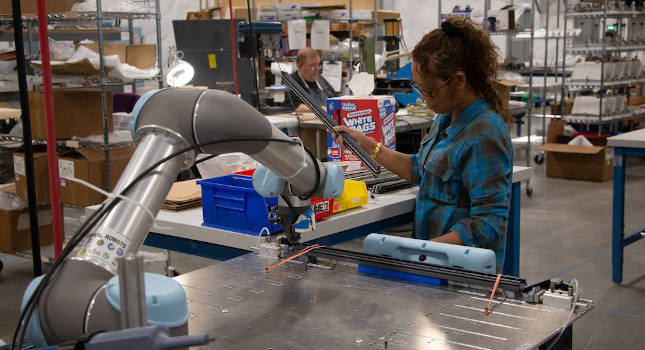
Cobots, or collaborative robots, are changing how you work on the factory floor. They’re built to work safely next to you, without the need for safety fences. You can trust them to handle simple, repetitive tasks like machine tending, welding, gluing, or packing. That frees you up to focus on more skilled work. You don’t need to be an expert to use them. Cobots are easy to set up, quick to program, and simple to move. They fit into your existing workspace with little effort. If you want to boost your productivity and keep your team safe, cobots are worth a look.
What are Cobots?
Cobots, short for collaborative robots, are made to work right next to you. Unlike traditional industrial robots, they don’t need safety cages or big changes to your workspace. Traditional robots are fast, strong, and powerful but they’re also dangerous to be around when running. That’s why they’re often locked away behind fences.
Cobots vs Traditional Robots:
Cobots, or collaborative robots, are designed to work safely alongside you. Traditional industrial robots are powerful and fast, but they’re not safe to be around during operation. That’s why they’re usually placed behind safety fences. Cobots don’t need that kind of isolation. You can work right next to them on the same task or assembly line.
Safe by Design:
Cobots come with built-in safety features. They have sensors that detect touch, motion, and obstacles. If a cobot bumps into you, it stops immediately. This makes accidents far less likely. Some models also use vision systems to monitor their surroundings and avoid collisions.
Force-Limited and People-Friendly:
Collaborative robots use force-limited joints. These joints control how much pressure the robot can apply. If the cobot hits something like your arm, it won’t hurt. This is key for safe human-robot collaboration. Many cobots also support hand-guided teaching. You can move the arm manually to show it what to do. That means faster setup and no need for complex coding.
A Smarter Kind of Robot:
If you need a robot that fits into your existing workflow, a cobot is the smarter choice. It helps you automate safely, without walls, and keeps your team involved in the process.
To learn more about Cobots, check out this article:
How Cobots Boost Efficiency on Your Factory Floor:
Streamline Repetitive Tasks:
Cobots help you save time by taking over repetitive jobs. Tasks like welding, screwdriving, packaging, gluing, or loading machines can be automated easily. You get consistent results, with fewer errors and less waste. That frees you up to focus on more skilled or creative work. Instead of spending your day repeating the same motion, you can supervise, improve processes, or manage quality.
Industries Already Using Cobots:
Collaborative robots are already at work in many sectors. In electronics, they handle delicate parts with precision. In automotive, they take care of repetitive assembly steps. In food and beverage, they help with packing and palletizing. Even small workshops use cobots to boost output without hiring more staff. You don’t need a large factory to benefit. Cobots are a fit for both large-scale operations and smaller production lines.
Fast Setup, Less Downtime:
These robots are made for flexibility. You can program them using simple interfaces or even guide them by hand. No need for complex coding. You can move them from one task to another in just a few hours. That reduces your downtime and keeps your production line running smoothly. When your needs change, your cobot adapts.
This video from The Wall Street Journal explores how advanced industrial robots are reshaping global manufacturing and impacting low-skilled jobs.
Keeping Your Team Safe: How to Use Cobots the Right Way:
Built for Safe Collaboration:
You can run your production line without fencing or barriers, if safety is properly handled. Most models come with sensors that detect movement, contact, or obstacles. They automatically slow down when you enter their space and stop if they touch anything unexpected. Speed, force, and power are all limited to reduce the risk of injury.
Following the Standards:
ISO/TS 15066 sets the rules for safe human-robot interaction. This standard defines how strong a robot can hit in a collision, how fast it can move, and how close it can work to a person. It also guides you on how to design the workspace and what tools can be safely used with the robot. If you’re using a cobot, your setup should follow this safety rulebook.
Don’t Skip the Risk Assessment:
Even if your cobot is certified, safety depends on how you use it. Each task is different. You need to do a proper risk assessment before every new application. Look at your parts, tools, layout, and operators. Make sure the cobot setup fits your safety procedures. The Machinery Directive requires this, and it’s the best way to protect your team. Safety starts with planning, not just technology.
To learn more about Risk Assessments, check out this article:
Work Smarter: Flexible Automation That Adapts to Your Needs
Easy to Move, Easy to Fit:
You don’t need to redesign your whole workspace to start using automation. Most cobots are lightweight and compact. You can mount them on a table, a cart, or a mobile stand. That makes it easy to fit them into your current workflow without major changes. When your needs shift, just roll the robot to a new station and start again.
One Robot, Many Jobs:
Flexibility is where cobots shine. You can use the same arm for multiple tasks, like palletizing in the morning and machine tending in the afternoon. With quick tool changes and simple programming, you don’t lose time switching between jobs. This helps you respond faster to new orders or custom production runs.
Built for Change:
Production never stays the same for long. Whether you’re launching a new product or adjusting for smaller batches, your cobot adapts with you. No need for dedicated equipment that only does one thing. This makes it easier to scale, experiment, or shift your focus without a full rework of your process.
If you’re looking for a way to stay agile without sacrificing output, this kind of flexibility is hard to beat.
Why the Cobot Market Is Growing Fast:
Big Growth Ahead:
The cobot market is growing quickly. Experts say it will reach $7.2 billion by 2030. That’s a huge jump from around $970 million in 2023.[1] More companies like yours are turning to cobots to stay competitive. Whether you’re in manufacturing, logistics, or even healthcare, you’re likely to see more cobots on the floor.
What’s Driving It:
Price is a big reason. Cobots cost less than traditional robots, and they’re easier to set up. That makes them a smart choice if you’re running a small or mid-sized business. You don’t need a robotics team to get started. Most cobots are user-friendly, with drag-and-drop programming or hand-guided teaching.
What This Means for You:
If you want to stay flexible and productive, now’s the time to start looking at cobots. New models are getting better with AI, machine vision, and smarter software. That means they can do more jobs, more accurately. Whether you’re scaling up or just starting with automation, cobots can help you grow without a major upfront cost.
The market isn’t just growing, it’s shifting. And if you’re not already exploring cobots, your competitors probably are.
Conclusion:
Cobots are a practical way for you to boost productivity, improve safety, and stay flexible in a changing market. You don’t need a big team or a big budget to get started. With easy setup and built-in safety features, they fit right into your existing line. Whether you’re automating your first task or scaling up, cobots grow with your needs. They help you get more done without putting your team at risk. If you’re serious about improving your production line, it’s time to take a closer look. Cobots aren’t just the future of automation, they’re ready for your shop floor today.
References:
- Allinson, M. (2025, February 10). Collaborative robots market forecast to reach $7.2 billion by 2030. Robotics & Automation News. Retrieved April 22, 2025, from https://roboticsandautomationnews.com/2025/02/10/collaborative-robots-market-forecast-to-reach-7-2-billion-by-2030/89013/
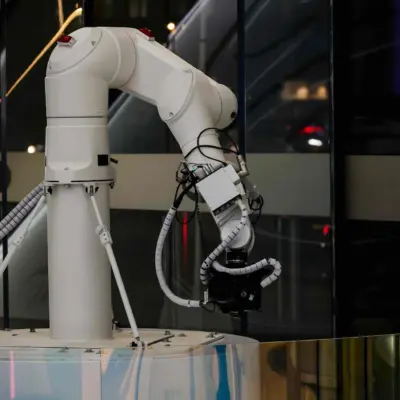
What is Force Limiting in Cobots?
Collaborative robots, or cobots, operate in shared human workspaces. This capability requires robust safety mechanisms. [...]
Mar
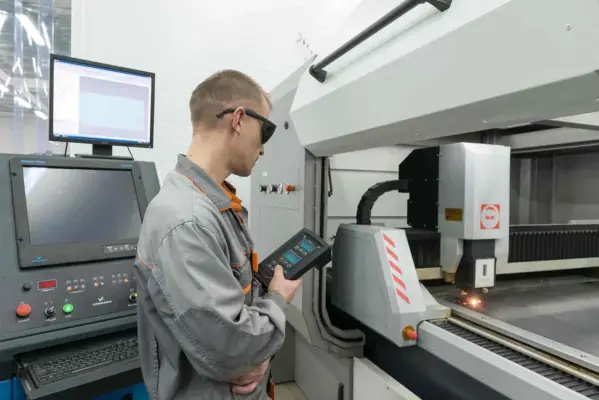
Structured Light vs. Time-of-Flight Cameras
Depth sensing enables robots to perceive the three-dimensional structure of their surroundings. It supports tasks [...]
Mar
Human Machine Interface Explained
If you have automated equipment, you interact with a human machine interface on a daily [...]
Feb

Why Most Humanoid Robots Lack AI Stacks
Humanoid robots are robots built to look and move like humans. They usually have two [...]
Feb

January 2026 Humanoid Robot Launches
January marked a major milestone for the humanoid robotics sector, as several leading manufacturers unveiled [...]
Jan

Top 5 Humanoid Robot Trade Shows 2026
Humanoid robots are multiplying fast. Companies are taking unique approaches to solve real-world problems. In [...]
1 Comments
Jan