
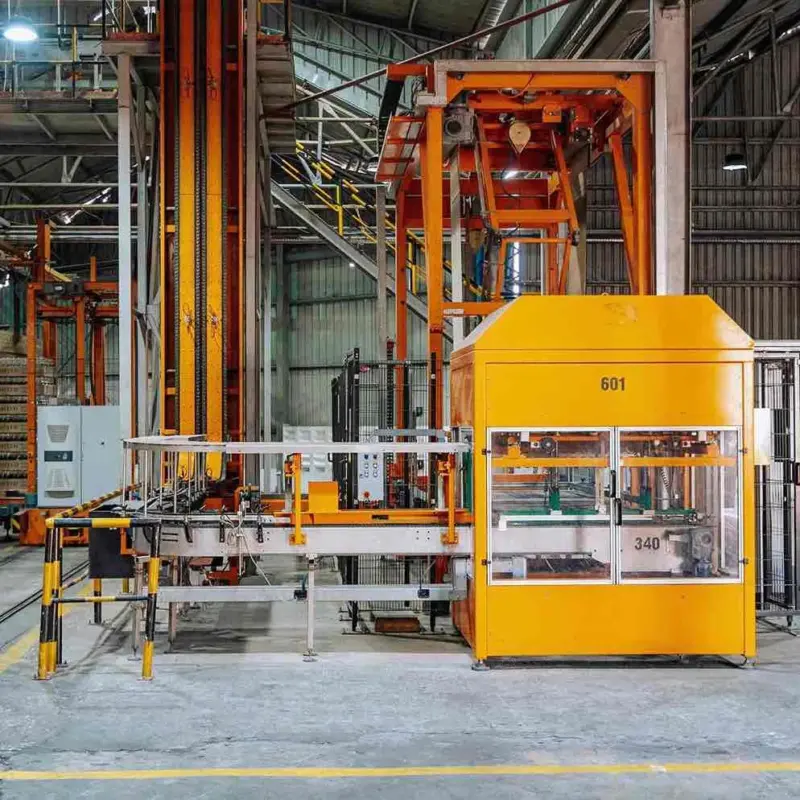
Robot digital twins are transforming the way robots are built, programmed, and maintained, and they are doing it faster than most people realise. At its core, a robot digital twin is a virtual copy of a real robot, connected to the physical machine in real time. It sounds simple, but the implications are enormous. From cutting downtime to training AI models without touching a single piece of hardware, this technology is quietly becoming one of the most important developments in modern manufacturing. Here are the top 5 things you need to know.
What Are Digital Twins in Relation to Robotics?
A robot digital twin is a live, constantly updated copy of a physical robot, fed by sensors that track things like temperature, torque, vibration, and position in real time. Where a static 3D model only shows what a robot looks like, a digital twin shows what it is actually doing right now. Researchers studying the technology frame it as the link between a factory’s physical and virtual sides, the layer that lets engineers watch, test, and adjust real production processes as they unfold, instead of only reviewing them after something has already gone wrong.[1]
5 Things to Know About Robot Digital Twins
1. The Market Is Growing Rapidly
Robot digital twins have outgrown their lab-stage reputation. McKinsey’s conversations with senior product development leaders point to one consistent advantage: most of the testing and refinement that used to happen on physical prototypes can now happen virtually first. The payoff is measurable. Some companies have cut development timelines by as much as half, and products built around a digital twin process have shown up to 25% fewer defects by the time they reach manufacturing.[2] Not every industry has caught up at the same speed, though. Aerospace, automotive and energy companies are leading, while logistics is still finding its footing with the technology. Patent filings back up the bigger trend too, climbing steadily since 2017 and topping 2,400 new applications in 2025 alone.[3]
2. They Are Used for Far More Than Just Monitoring
Most people assume a robot digital twin is simply a dashboard showing whether a robot is running. In reality, the applications run much deeper. Researchers reviewing the field have found that when AI is layered on top of a digital twin, it can take on tasks like flagging maintenance issues before they happen, fine-tuning production processes on the fly, catching quality problems early, and adjusting schedules automatically, with real factories already using this combination on CNC machines, robotic cells, and printing lines.[4]
3. The Biggest Names in Robotics Are Already Using Them
Robot digital twins are not a technology still waiting for real-world adoption. FANUC, ABB, KUKA and YASKAWA, four manufacturers whose machines make up a combined fleet of more than two million robots worldwide, have started building physically accurate simulation tools directly into how they commission new equipment, allowing entire production lines to be tested and refined virtually before a physical robot ever moves.[5] The same approach is reaching logistics too. KION Group, a major name in supply chain technology, is partnering with NVIDIA and Accenture to build detailed virtual replicas of entire warehouses, using them to train and test fleets of autonomous forklifts for one of the world’s largest contract logistics operators before deploying them in the real world.[5] What was once limited to small pilot projects is now running at full production scale.
4. They Are Making Robots Smarter and Safer
Robot digital twins are not just an efficiency play, they are changing how safely and intelligently robots can operate. A study pairing digital twin technology with AI-driven robot control found that several performance markers moved together, downtime fell by roughly a third, equipment effectiveness climbed by a fifth, and maintenance spend dropped by more than a quarter, all measured against conventional maintenance methods.[6] Safety improvements followed a similar logic elsewhere. When researchers combined digital twins with formal verification, essentially running the math to confirm a robot’s next move is safe before it happens, compliance checks became 40% faster to complete.[7] The common thread across both findings is timing: problems get caught and tested for in simulation, long before a robot is anywhere near a person.
5. They Are Becoming More Accessible
Robot digital twins were once the preserve of large enterprises with deep pockets. That is changing fast. In Massachusetts, a state-backed grant programme launched in 2026 specifically to help smaller robotics startups and research labs build their own digital twins, recognising that the cost and technical know-how needed to build one from scratch has kept many smaller players locked out.[8] Platform providers are closing that gap too. NVIDIA’s Mega Omniverse Blueprint can now simulate entire factory floors with hundreds of robots at once, and manufacturers like FANUC and Foxconn have already built models that plug straight into it, no custom integration required.[9] The pieces needed for wider adoption are coming together quickly.
Conclusion
Robot digital twins have earned their place as a serious manufacturing technology, not a distant experiment. Across the five points covered here, the throughline is consistent: less downtime, faster AI training, stronger safety validation, and an easier path to deployment regardless of company size. With major manufacturers already building them in, public funding starting to flow, and the platforms themselves getting simpler to use, the barriers to entry are dropping fast. Whether automation is new territory or an existing setup is ready for improvement, this is a technology worth understanding now rather than later.
References
- ScienceDirect. (2025). Article identifier: S0736584525001577. Retrieved on 19 June 2026, from https://www.sciencedirect.com/science/article/pii/S0736584525001577
- McKinsey & Company. (2023). Digital twins: The key to smart product development. Retrieved on 19 June 2026, from https://www.mckinsey.com/industries/industrials-and-electronics/our-insights/digital-twins-the-key-to-smart-product-development
- PatSnap. (2026). Digital twin tech landscape for manufacturing 2026. Retrieved on 19 June 2026, from https://www.patsnap.com/resources/blog/articles/digital-twin-tech-landscape-for-manufacturing-2026/
- MDPI. (2026). Sensors, 26(1), Article 124. Retrieved on 19 June 2026, from https://www.mdpi.com/1424-8220/26/1/124
- NVIDIA. (n.d.). NVIDIA and global robotics leaders take physical AI to the real world. Retrieved on 19 June 2026, from https://nvidianews.nvidia.com/news/nvidia-and-global-robotics-leaders-take-physical-ai-to-the-real-world
- ScienceDirect. (2025). Article identifier: S0736584525001929. Retrieved on 19 June 2026, from https://www.sciencedirect.com/science/article/abs/pii/S0736584525001929
- MDPI. (2026). Machines, 14(3), Article 255. Retrieved on 19 June 2026, from https://www.mdpi.com/2075-1702/14/3/255
- Massachusetts Technology Collaborative. (n.d.). Robotics digital twin. Retrieved on 19 June 2026, from https://masstech.org/robotics-digital-twin
- EE Times. (n.d.). Digital twins step into the metaverse. Retrieved on 19 June 2026, from https://www.eetimes.com/digital-twins-step-into-the-metaverse/
End-of-arm tooling transforms generic robots into specialized tools
by Jeremy Cook, contributor to GlobalSpec Industrial robot arms – whether six-axis, SCARA, delta or [...]
5 Cybersecurity Threats in Automated Systems
Cybersecurity challenges continue to be a problem in the industrial automation field. In 2025, 50% [...]
Aug
Robot Operating System 2026: 5 Tips for Buyers
For more than ten years, the Robot Operating System (ROS) has served as the backbone [...]
Aug
Digital Twins in Robotics: 5 Things to Know
Robot digital twins are transforming the way robots are built, programmed, and maintained, and they [...]
Jun

Top 6 CNC Machine Trade Shows 2026
We’re halfway through 2026, and the most important CNC machine trade shows are still ahead. [...]
Jun
What is Time Sensitive Networking?
In modern manufacturing, robots, sensors, and motion control devices must be in total harmony with [...]
1 Comments
May